Minecraft Dungeons II Co-op Guide
Online parties, couch play, and how loot menus no longer stall the room.
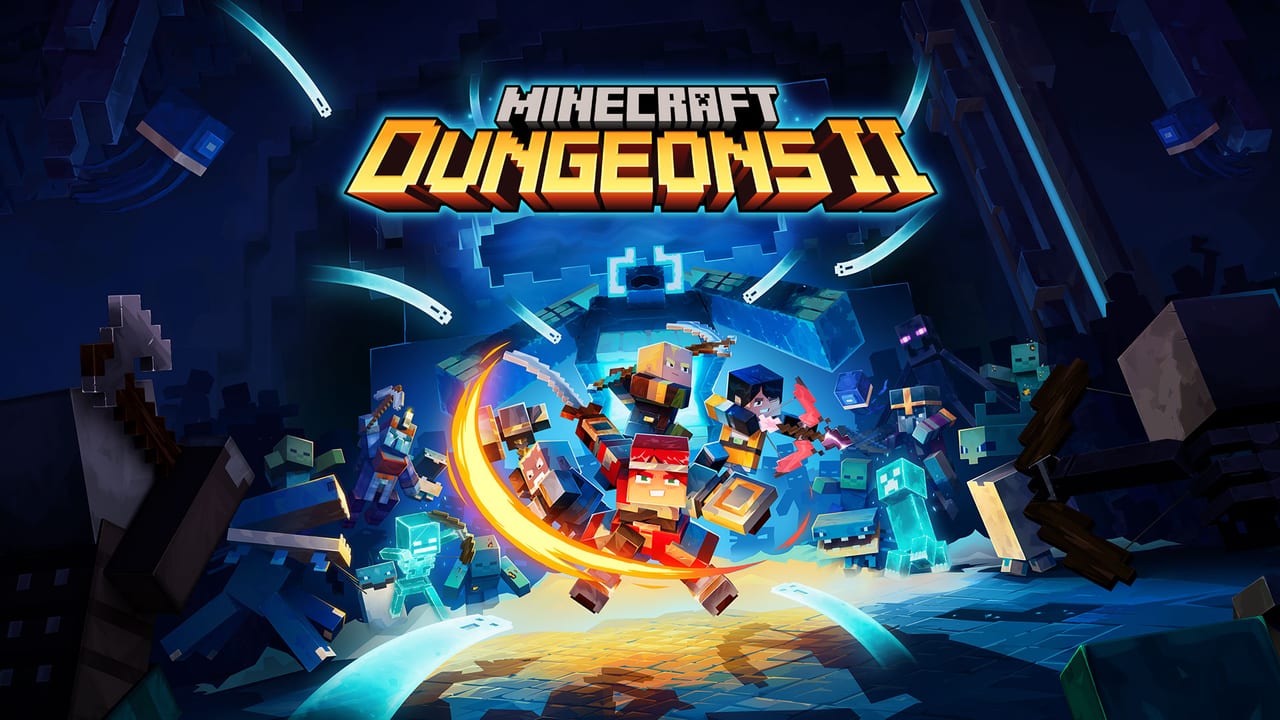
Minecraft Dungeons II is built as a four-hero hangout. Official store pages list online co-op for 2–4 players, Xbox local co-op for 2–4, and cross-platform multiplayer as a capability. June’s Xbox Wire hands-on added matchmaking with strangers and mixed groups. This page is the practical version: how to start a party, how couch play changed, and how to share loot without turning Brave Haven into a committee meeting.
Party sizes and modes
- Solo is fully supported. Nothing in the sequel requires a friend to open a door.
- Online co-op supports up to four heroes. Invite friends or use matchmaking.
- Local / couch co-op is confirmed on consoles. Xbox listing says 2–4 locally. Split-screen was part of the original pitch and is the reason the mini inventory exists.
- Mixed groups (some local, some online) were described in the June demo coverage.
- Cross-platform multiplayer is listed on the Microsoft store capabilities. Platform accounts and online subscriptions still apply — PlayStation Plus, Nintendo Switch Online, or Xbox networking, depending on the box.
Xbox Play Anywhere means an Xbox/PC purchase can hop between those two screens. Steam, PlayStation, and Nintendo are separate storefronts, so a Steam friend and a Switch friend still need whatever cross-play Mojang enables at launch. Do not assume every combination is live until you see it in the friends menu.
Starting a session without wasting twenty minutes
- Create or join from Brave Haven, not from a dungeon mid-run, so everyone sees the same vendors.
- Set a power expectation. If one player is wearing starter armor into the Copper Monstrosity, the Blacksmith exists for a reason.
- Assign a loot rule in voice, even a dumb one: “need before greed on talismans, everything else free roll.” The game will drop more than you can wear.
- Teach the hold-inventory bind from the controls page before the first pack. Couch groups that skip this step will pause-fight in the first hallway.
- Take a minecart together. Fast travel is per-party in the demos; do not split across two Overworld nodes unless you like ambushes.
The Switch 2 trailer in the middle of this page is useful even if you are not on Nintendo hardware. It shows four heroes moving as a blob, which is the actual skill: stay in each other’s artifact range without stacking inside a lightning circle.
Couch-specific habits
Split-screen in the first game made inventory a turn-based mini-game. The sequel’s hold-to-open overlay lets all four players swap at once. Use it. The full menu is for town. The overlay is for combat.
TV brightness and isometric cameras punish the player in the top-right quadrant. Rotate seats if someone keeps dying to off-screen ravagers. Single-stick support is listed in accessibility notes, which helps a guest controller that is missing a stick.
If the living room has a huge skill gap, give the new player a pet talisman and a fat melee weapon. Pets draw aggro. Fat melee is easier to aim than a charged bow on a shared camera. The starter builds page has a “hangout tank” template for exactly this.
Online-specific habits
Latency shows up on dodge timing, not on walking. If a friend is teleport-sliding, do not pull the Copper Monstrosity until they stable. Host in the region of the player with the worst connection.
Matchmade strangers will vendor your aesthetic sword. If you care about a look, Blacksmith it to your cap in town before you queue. Soul Corrupted currency and Enchant Books should be treated as personal unless your group agrees otherwise — those are the sequel’s real bottlenecks, not raw weapons.
Voice is optional. Ping-style HUD quest markers exist in the demos (“Defeat the Copper Monstrosity”). Use them. Typing in a dungeon is how you get hit by a copper dash.
How to share a build without cloning four rangers
The sequel has no classes, which tempts four people to wear the same bow. Resist that. A healthy four-player composition from the footage:
- One melee frontliner with a war hammer or heavy sword
- One ranged DPS with dodge-and-arrow enchants
- One support/pet carrier with regen-on-kill
- One flex who holds bombs or a battlestaff for packed rooms
You can break that on purpose. Four pet builds will be funny. Four glass bows will wipe on lightning traces. For named fights, read Copper Monstrosity and Twisted Warden together so the group agrees on whether you stack or spread.
Cross-play, Game Pass, and “can we all play?”
Game Pass gets the Standard campaign on day one for Xbox and PC. Friends on PlayStation or Switch still buy a disc or digital copy. Deluxe DLC is per-store. If your group is mixed, Standard-vs-Deluxe does not block the base campaign; it only changes who owns later packs. Confirm that on pre-order before someone pays fifty dollars to match a friend who is on Game Pass.
Online console play needs that platform’s subscription. Cloud play via Xbox Cloud Gaming is a valid fifth screen if a laptop cannot hit the system requirements.
Play the sequel like a drop-in ARPG, not like a raid. The systems are friendlier than the genre’s reputation. The bosses are still allowed to be mean. That combination is the whole pitch.
Frequently Asked Questions
Quick answers to the most common questions.
How many players can join Minecraft Dungeons II?
Up to four, online or in a local group. Official Xbox listings call out online co-op 2–4 and Xbox local co-op 2–4.
Is there split-screen?
Couch co-op is confirmed. The gamescom demo highlighted a hold-to-open mini inventory so split-screen players can loot at the same time.
Does Minecraft Dungeons II have cross-play?
The Microsoft store lists cross-platform multiplayer as a capability. Confirm the friends list combinations on your launch build before you promise a Steam-plus-Switch party.
Can Game Pass players group with people who bought the game?
The Standard campaign is the same content. Deluxe only adds cosmetics and later DLC. Party up in Brave Haven and compare power levels, not receipts.